


Dental Implants in Long Island, NY
Click above to see reviews.
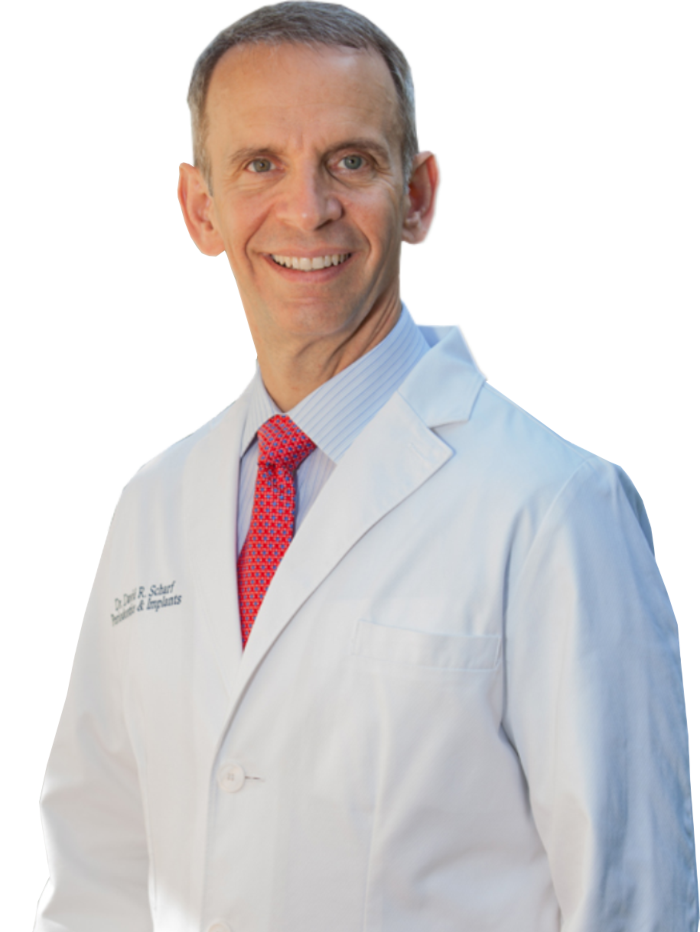
Dr. Scharf’s success rate is evidence of his experience and high standards in creating and placing dental implants.

Dr. David Scharf – Long Island Periodontics & Dental Implants provides advanced dental implant treatment designed to restore your smile, oral health, and confidence. As a board-certified periodontist with extensive experience in implant dentistry, Dr. Scharf combines surgical precision, modern technology, and personalized care to deliver long-lasting results for patients throughout Long Island, NY.
Dental implants are widely considered the gold standard for replacing missing teeth because they look, feel, and function like natural teeth. Whether you are missing a single tooth, multiple teeth, or require full-mouth restoration, Dr. Scharf can create a customized treatment plan to help you regain a healthy, beautiful smile.
What Are Dental Implants?
Dental implants are permanent tooth replacement solutions that replace both the visible portion of a tooth and its root. Each implant consists of a small titanium post that is surgically placed into the jawbone to act as an artificial tooth root. Over time, the implant naturally fuses with the bone through a process called osseointegration, creating a stable foundation for a custom dental crown, bridge, or denture.
Dental implants can be used to replace:
- A single missing tooth
- Several missing teeth
- An entire upper or lower arch
- Loose or uncomfortable dentures
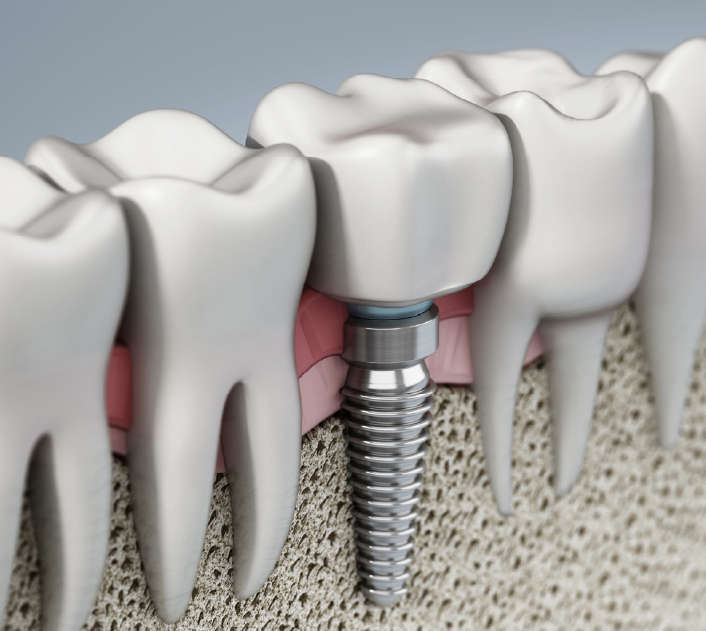
Because implants integrate directly with the jawbone, they provide unmatched stability, comfort, and durability compared to traditional tooth replacement options.
Benefits of Dental Implants
Dental implants offer both cosmetic and functional advantages, making them one of the most effective treatments for tooth loss.
Natural Appearance and Feel
Dental implants are designed to closely mimic the appearance and function of natural teeth. Your custom restoration is crafted to blend seamlessly with your smile.
Prevent Bone Loss
When a tooth is lost, the jawbone in that area begins to shrink over time. Dental implants stimulate the jawbone and help preserve bone structure, preventing facial sagging and bone deterioration.
Improved Comfort and Stability
Unlike removable dentures, implants stay securely in place. You can eat, speak, and smile confidently without worrying about slipping or discomfort.
Long-Term Durability
With proper care and regular dental visits, dental implants can last for decades and may even last a lifetime.
Better Oral Health
Dental implants do not rely on neighboring teeth for support, which helps preserve your natural tooth structure and overall oral health.
Who Is a Candidate for Dental Implants?
Many adults who are missing teeth are candidates for dental implants. Ideal candidates typically:
- Have healthy gums
- Have sufficient jawbone density
- Practice good oral hygiene
- Are in good general health
- Do not smoke or are willing to stop smoking during healing
Certain conditions, such as gum disease, teeth grinding (bruxism), or bone loss, may need to be addressed before implant placement. During your consultation, Dr. Scharf will review your medical and dental history, evaluate your jawbone, and determine the best treatment approach for your needs.
Why Choose Dr. David R. Scharf for Dental Implants in Long Island?
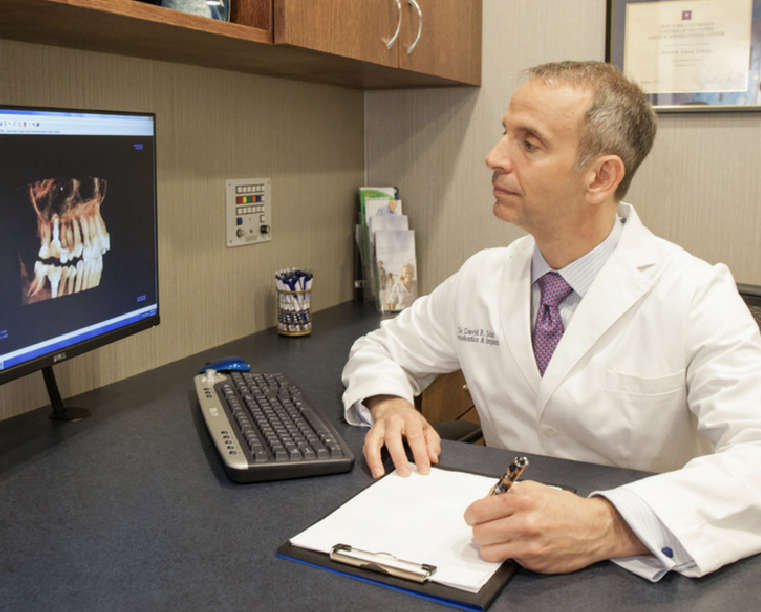
Choosing an experienced implant specialist is one of the most important factors in achieving successful results.
Dr. David R. Scharf is a board-certified periodontist with advanced training in dental implant placement, bone grafting, and other periodontal procedures. Unlike general dentists who may offer implants with limited surgical training, Dr. Scharf has dedicated years to the study and practice of implant dentistry and periodontal care.
Patients throughout Long Island trust Dr. Scharf because of his:
- Extensive experience with dental implant procedures
- Advanced surgical training and expertise
- Personalized treatment planning
- Commitment to patient comfort and safety
- Reputation as a respected lecturer and educator in implant dentistry
At Dr. David Scharf – Long Island Periodontics & Dental Implants, every procedure is performed with precision, attention to detail, and a focus on long-term success.
Dental Implant Patient Review
Read our patient reviews and watch patient testimonial videos.
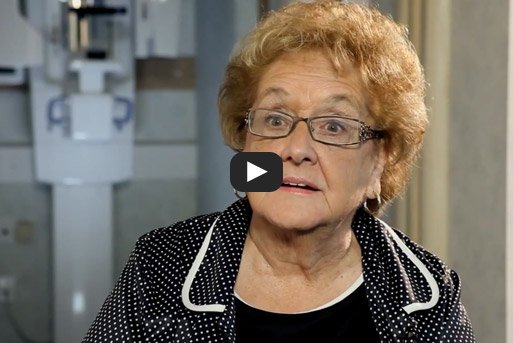
Frances discusses her dental implants with Dr. Scharf
The Dental Implant Process
Consultation and Examination
Your treatment begins with a comprehensive consultation and dental evaluation. Dr. Scharf will assess your oral health, review digital imaging, and discuss your goals to determine whether dental implants are right for you.
Preparatory Procedures
Some patients may require additional treatments before implants can be placed successfully, including:
- Tooth extractions
- Bone grafting
- Sinus augmentation
- Periodontal therapy
These procedures help create a strong foundation for implant success.
Implant Placement
During the implant procedure, the area is thoroughly numbed to ensure your comfort. The titanium implant post is carefully placed into the jawbone using precise surgical techniques.
Healing and Osseointegration
Over the next several months, the implant fuses with the jawbone to create a stable, permanent anchor for your restoration.
Final Restoration
Once healing is complete, impressions are taken to fabricate your custom crown, bridge, or denture. The final restoration is then attached to the implant, completing your smile transformation.

After an exam and consultation, Dr. Scharf will create a personalized treatment plan and meet with you to go over the dental implant procedure and answer all your questions.
Dental Implant Recovery
Recovery after dental implant surgery varies depending on the complexity of the procedure and the number of implants placed. Most patients experience mild discomfort, swelling, or soreness for a few days after surgery.
Recovery Tips
To support healing after dental implant placement:
- Get plenty of rest
- Eat soft foods during the healing period
- Avoid smoking
- Keep the surgical area clean
- Brush gently with a soft-bristled toothbrush
- Rinse with a saltwater solution as instructed
- Take prescribed medications as directed
Most patients can return to normal daily activities within a few days, although full healing and bone integration may take several months.

Risks of Dental Implants
Dental implants are considered a safe and predictable treatment option, especially when performed by an experienced periodontist. However, as with any surgical procedure, there are potential risks, including:
- Infection
- Bleeding
- Implant failure
- Delayed healing
- Nerve irritation or damage
- Sinus complications in upper jaw procedures
Dr. Scharf carefully evaluates each patient to minimize risks and improve
Cost of Dental Implants in Long Island
The cost of dental implants varies based on several factors, including:
- The number of implants needed
- Whether bone grafting or extractions are required
- The type of final restoration used
- Insurance coverage
Although dental implants may involve a higher initial investment than dentures or bridges, they are often more cost-effective over time because of their durability and longevity.
During your consultation, our office will provide a detailed treatment plan and discuss financing and insurance options available to you.

Patient Review for Dental Implants
Schedule a Dental Implant Consultation in Long Island, NY
If you are looking for a permanent solution for missing teeth, Dr. David R. Scharf and his team are here to help. We proudly provide advanced dental implant treatment for patients throughout Long Island, NY.
Contact us to schedule your dental implant consultation and learn how dental implants can restore your smile, confidence, and quality of life.
Dr. David Scharf – Long Island Periodontics & Dental Implants
ADDRESS:
98 E Main St, Ste 2
Babylon, NY 11702
Get Directions
PHONE: (631) 661-6633
OFFICE HOURS:
- Monday: 11:00 AM to 8:00 PM
- Tuesday: 8:00 AM to 5:00 PM
- Wednesday: 8:00 AM to 5:00 PM
- Thursday: 8:00 AM to 5:00 PM
- Friday: 8:00 AM to 5:00 PM