

If you’ve been researching dental implants, you’ve probably noticed one thing right away: pricing can vary a lot. That’s because implant treatment is not a single product with a fixed fee. It’s a customized medical and dental procedure made up of multiple steps, materials, and professional services.
At Dr. David R. Scharf’s practice in Long Island, NY, we believe patients deserve a clear explanation of what goes into the total investment so they can make confident, informed decisions.
This guide breaks down what you’re really paying for when you choose dental implants and why quality matters at every stage.
Why Implant Pricing Isn’t One Simple Number
A dental implant is often described as “a replacement tooth,” but it’s more accurate to think of it as a full treatment process that may include:
- Detailed diagnostics and planning
- Surgical placement
- Healing and bone integration
- The final restoration (crown, bridge, or denture)
- Follow-up care to protect your result
Every patient’s anatomy and goals are different. Some patients have strong bone and healthy gum tissue, while others need additional support procedures before an implant can be placed safely.
That’s why the best way to understand implant costs is to look at the components.
Dental Implant Cost Breakdown: What You’re Paying For
1) Comprehensive Consultation and Diagnostic Imaging
This stage typically includes:
- A thorough exam of your teeth, gums, and bite
- Review of medical and dental history
- Digital X-rays and often 3D imaging (CBCT)
- A personalized treatment plan and timeline
Why it matters: Implant success starts with planning. Precise imaging helps determine bone volume, nerve location, and the ideal implant position for long-term stability.
2) Treatment Planning and Surgical Precision
Dental implants require more than “placing a post.” Careful planning considers:
- The right implant size and type
- Exact placement angle and depth
- Gum and bone support for a natural appearance
- Bite forces and long-term function
Why it matters: A well-planned implant is designed to feel comfortable, function naturally, and minimize future complications.
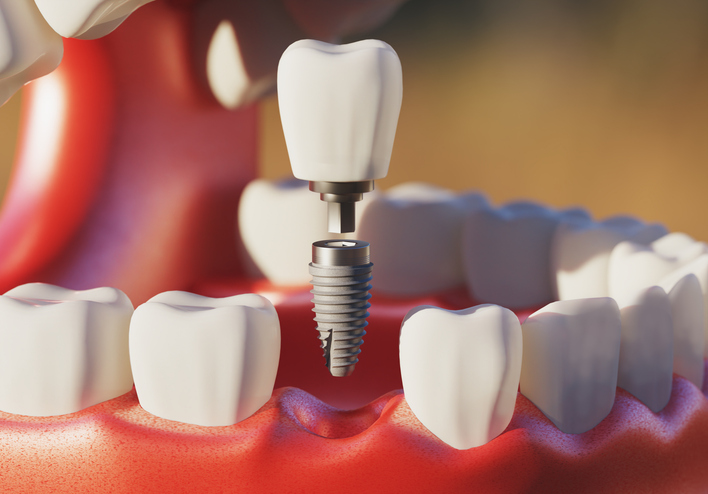
3) The Implant Post (Artificial Root)
This is the part placed into the jawbone. You’re paying for:
- High-quality implant materials (commonly titanium or zirconia)
- A reliable implant system with proven outcomes
- Sterile, single-use surgical components
Why it matters: The implant post is the foundation. Material quality and how well the implant integrates with bone can influence the longevity of your result.
4) Surgical Placement by a Specialist
Implant placement is a surgical procedure, and a significant part of the investment includes:
- Clinical expertise and experience
- Surgical technique and precision
- Sterile environment and advanced equipment
- Management of gums and supporting tissues
Why it matters: The skill of the provider directly impacts comfort, healing, aesthetics, and long-term success. Periodontists specialize in gum and bone health, making them uniquely trained for implant placement and tissue management.
5) The Abutment (Connector Piece)
The abutment connects the implant post to the restoration. You’re paying for:
- A component that ensures a secure fit
- Custom shaping in many cases
- Support for proper gumline contours
Why it matters: A strong connection helps protect the implant from looseness, stress, and irritation at the gumline.
6) The Final Restoration (The Tooth You See)
The crown, bridge, or denture that attaches to the implant is often custom-created. This portion includes:
- High-quality restorative materials
- Detailed impressions or digital scans
- Lab fabrication and craftsmanship
- Shade matching and bite adjustments
Why it matters: This is what affects how the implant looks, feels, and functions in everyday life. The quality of the final restoration plays a major role in comfort and confidence.
7) Bone Grafting (If Needed)
Some patients need added bone support before an implant can be placed. Bone grafting may be recommended if:
- A tooth has been missing for a long time
- Gum disease caused bone loss
- The bone is too thin or soft for stability
Why it matters: Bone grafting helps create a strong foundation. Skipping it when needed can raise the risk of implant failure.
8) Sinus Augmentation (If Needed for Upper Back Teeth)
For implants in the upper jaw, the sinus cavity can limit bone height. A sinus lift may be needed to safely support implants.
Why it matters: This procedure can increase safety and predictability for upper molar implants.
9) Sedation and Comfort Options
Some patients prefer sedation dentistry, especially if they feel anxious or are having multiple implants placed.
Why it matters: Comfort helps patients complete treatment with less stress, and it can improve the overall experience during longer procedures.
10) Follow-Up Care and Long-Term Maintenance
Implants require routine monitoring, including:
- Healing checks after placement
- Ensuring the implant integrates well with the bone
- Guidance on cleaning and maintenance
- Ongoing evaluation to protect gums and surrounding bone
Why it matters: Dental implants are designed to last, but long-term success depends on proper maintenance and healthy gum tissue.
What Factors Influence the Total Cost of Dental Implants?
To better understand the overall investment, it’s helpful to know what typically influences the total cost:
- Number of teeth being replaced (single tooth vs. multiple)
- Location in the mouth (front vs. back, upper vs. lower)
- Bone and gum health
- Need for grafting or sinus augmentation
- Complexity of the bite and alignment
- Type of restoration (crown, bridge, implant-supported denture)
- Material choices for the final tooth
- Timing (immediate vs. delayed placement)
The more customized and complex the case, the more steps and resources are required.
Why “Low-Cost” Implant Offers Can Be Misleading
Some advertisements make implants sound like a simple, quick purchase. But in reality, low-cost quotes may leave out important parts of treatment, such as:
- 3D imaging and diagnostic planning
- The abutment or final crown
- Bone grafting or site preparation
- Follow-up care and long-term monitoring
- Higher-quality restorative materials
In some cases, patients who choose the cheapest option end up paying more later for repairs, replacements, or corrective procedures.
Are Dental Implants Worth It?
For many patients, yes, because implants are designed to:
- Replace missing teeth without relying on neighboring teeth
- Support jawbone health and reduce bone loss
- Restore comfortable chewing and confident speaking
- Provide stability that removable options may not offer
- Deliver a natural-looking result
When cared for properly, implants can provide long-term value and quality of life.
Will Insurance Help Cover Dental Implants?
Coverage varies by plan. Some policies may help with certain parts of treatment (like extractions or restorations), while others have limited or no implant coverage.
A consultation can help you understand:
- What your insurance may contribute
- What treatment is medically necessary
- Which options fit your goals and budget
- Financing or phased treatment approaches, if needed
FAQs: What You’re Really Paying For
Is the implant cost the same as the crown cost?
Not always. The implant post (surgical portion) and the crown (restorative portion) are different components and may be priced separately depending on the office.
Why do some people need bone grafting and others don’t?
Bone levels vary based on how long the tooth has been missing, genetics, gum disease history, and anatomy.
How long does implant treatment take?
Implant treatment is a process. Healing time is essential because the bone needs time to integrate with the implant for stability.
Will my implant look natural?
With proper planning, high-quality materials, and careful tissue management, implants can look and feel very natural.
The Best Next Step: A Personalized Implant Evaluation in Long Island, NY
Online information can help you understand the process, but only a professional evaluation can determine what your treatment will require. During your consultation, Dr. David R. Scharf will assess your bone and gum health, review imaging, and design a plan that fits your needs.
You’ll leave with a clear understanding of:
- The procedures involved
- What’s included in your treatment
- Your timeline and options
- What factors influence your final investment
Ready to Learn What Your Dental Implant Treatment Includes?
If you’re considering dental implants in Long Island, NY, Dr. Scharf and his team are here to help you understand your options with clarity and confidence.
Schedule a consultation to receive a personalized plan and a transparent breakdown of what your implant treatment includes.