

Dental implants are one of the most reliable, natural-looking ways to replace missing teeth. They can restore bite strength, improve chewing comfort, and help preserve jawbone structure after tooth loss. But if you have gum disease or a history of periodontal problems, it is completely normal to wonder whether dental implants are still an option.
The encouraging news is that many patients with gum disease can still become candidates for dental implants. The key is ensuring the condition is properly treated, stabilized, and continuously managed so your gums and supporting bone can provide a strong, healthy foundation for implants. At Dr. David Scharf – Long Island Periodontics & Dental Implants, Dr. David R. Scharf helps patients throughout Long Island, NY improve periodontal health and explore implant solutions designed for long-term success.
Below, we will explain how gum disease impacts dental implants, what makes someone a good candidate, and which treatments can help you qualify.
Understanding Gum Disease and Its Stages
Gum disease (periodontal disease) is an infection of the tissues that surround and support the teeth. It often begins as gingivitis, which is typically caused by plaque and tartar buildup along the gumline. Symptoms may include:
- Red, puffy, or tender gums
- Bleeding when brushing or flossing
- Persistent bad breath
- Mild gum discomfort
Gingivitis can often be controlled with professional cleanings and consistent home care. If it progresses, however, it can become periodontitis, a more advanced form of periodontal disease that affects deeper supporting structures, including the ligaments and jawbone.
Periodontitis can lead to:
- Gum recession (teeth appearing longer)
- Deep periodontal pockets where bacteria collect
- Loose or shifting teeth
- Bite changes
- Tooth loss
- Bone loss in the jaw
Since dental implants rely on healthy bone and gum tissue, periodontal disease is a major factor in determining implant candidacy.
Why Gum Health Matters for Dental Implant Success
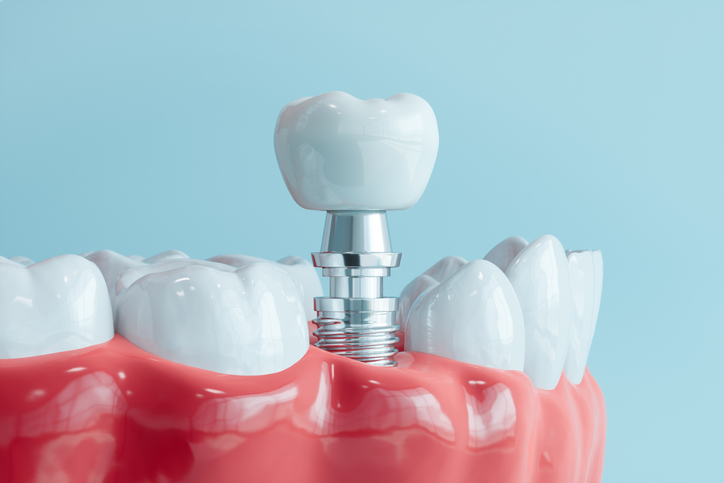
A dental implant is a small titanium post placed into the jawbone to replace the root of a missing tooth. Once healed, the implant supports a crown, bridge, or denture. For an implant to succeed, it must integrate with the bone through osseointegration, creating a stable anchor.
Long-term implant success is closely tied to:
- Healthy gum tissue that forms a stable seal around the implant
- Adequate jawbone density and volume
- Effective plaque control and home care
- No uncontrolled infection or inflammation
- Habits that support healing, such as avoiding tobacco
When periodontal disease is active or unmanaged, bacteria and inflammation can compromise healing and contribute to tissue breakdown around teeth and implants. This is why controlling gum disease is typically the first step before moving forward with implant treatment.
Can You Get Dental Implants If You Have Gum Disease?
In many cases, yes. Having gum disease does not automatically disqualify you from dental implants. However, because periodontal disease is a chronic condition, it must be stabilized and carefully managed before implant placement.
You may not be ready for implants immediately if you have:
- Active infection or inflammation
- Deep gum pockets and significant bleeding
- Moderate to severe bone loss
- Poor plaque control
- Smoking or health conditions that affect healing
Even if these issues are present, many patients can still become candidates with periodontal treatment, improved maintenance, and in some cases, bone regeneration procedures.
Treating and Stabilizing Gum Disease Before Dental Implants
If you have periodontal disease and want dental implants, Dr. Scharf will evaluate your gums, bone levels, and overall oral health. Treatment recommendations depend on how advanced the disease is and how your tissues respond.
Common periodontal treatments may include:
Scaling and Root Planing (Deep Cleaning)
Scaling and root planing removes plaque and tartar from below the gumline and smooths the root surfaces to help gums reattach and reduce pocket depth. This is often the first-line therapy for controlling infection and inflammation.
Antibiotic Therapy (When Appropriate)
In some cases, antibiotics may be used to help reduce bacterial levels in periodontal pockets, especially when deep cleaning alone is not enough to control inflammation.
Periodontal Maintenance
Because periodontal disease is chronic, most patients benefit from ongoing periodontal maintenance visits. These visits are often more frequent than standard cleanings and are tailored to your risk level, pocket depth, and oral hygiene needs.
Periodontal Surgery (For Advanced Disease)
If deep pockets persist or bone loss is significant, surgical periodontal treatment may be recommended to reduce pocket depth, improve access for cleaning, and in some cases, regenerate lost bone and tissue.
Once your gum condition is stable and well-managed, Dr. Scharf can determine whether implants are the right next step.
Bone Loss from Gum Disease and Dental Implant Candidacy
One of the biggest challenges for implant candidates with periodontal disease is bone loss. Gum disease can cause bone destruction around teeth, and after tooth loss, the jawbone can shrink further due to lack of stimulation.
Since implants need strong bone support, a key part of candidacy is assessing:
- Bone height and width
- Bone density
- The location of the missing teeth
- Anatomical considerations such as the sinus cavity (upper jaw)
Bone Grafting Can Help Many Patients Qualify
If you do not have enough bone for implants initially, you may still become a candidate through procedures that rebuild the jawbone, such as:
- Bone grafting: Adds or regenerates bone in areas of deficiency so the implant has a solid foundation.
- Guided bone regeneration (GBR): Often paired with grafting materials and membranes to encourage bone growth and protect the healing site.
- Sinus lift: For implants in the upper back jaw, this procedure adds bone height when the sinus area limits implant placement.
These approaches can make dental implants possible for patients who have experienced periodontal bone loss.
How a Periodontist Evaluates Candidates for Dental Implants
A periodontist has specialized training in gum health, bone support, and implant placement. This is especially important when gum disease is part of the picture.
During an implant consultation, Dr. Scharf may assess:
- Gum inflammation and periodontal pocket depth
- Gum recession and tissue quality
- Bone volume and density
- The condition of remaining teeth
- Bite alignment and spacing
- Oral hygiene habits and plaque control
- Medical history, medications, and healing factors
- Lifestyle risks such as smoking
Diagnostic imaging, including 3D scans, helps determine whether bone support is adequate and where implants can be placed safely and predictably.
Managing Periodontal Disease to Protect Dental Implants
Even after successful implant placement, ongoing periodontal care remains essential. Periodontal disease is a chronic condition that must be continuously managed, even when it is well controlled.
Patients with periodontal disease need consistent maintenance to keep harmful bacteria and inflammation under control and to protect both natural teeth and dental implants. Inflammation can develop around an implant in a condition known as peri-implant disease. When inflammation progresses and begins affecting the surrounding bone, it is referred to as peri-implantitis.
Peri-implantitis can lead to bone loss around the implant and may threaten long-term stability if not addressed early. The best way to reduce risk is a combination of professional periodontal maintenance and excellent daily plaque control.
How to Protect Your Dental Implants Long Term
To support long-term implant health, Dr. Scharf may recommend:
- Brushing thoroughly at least twice per day
- Cleaning between teeth daily with floss or interdental tools
- Using a water flosser or implant-specific cleaning tools if recommended
- Attending regular periodontal maintenance appointments
- Avoiding smoking or tobacco products
- Monitoring for signs of inflammation such as bleeding, swelling, or tenderness
For many patients with periodontal disease, maintenance visits are more specialized than routine dental cleanings. These appointments help remove bacteria below the gumline, monitor pocket depth, and support stable gum health around both teeth and implants.
Signs You May Still Be a Strong Implant Candidate
Many patients with periodontal disease can still qualify for dental implants, especially when they are committed to ongoing care. You may be a good candidate if:
- Your periodontal disease is stable and well-managed
- You maintain strong daily oral hygiene
- You keep up with periodontal maintenance visits
- You have adequate bone support or are open to grafting options
- You do not smoke, or you are willing to quit
- You want a long-term tooth replacement option and are willing to follow care recommendations
If you have lost teeth due to periodontal disease, implants can often provide a stable, functional replacement that looks natural and helps support your bite.
Dental Implants and Periodontal Care in Long Island, NY
If you have gum disease, you are not alone, and you are not out of options. The most important step is getting an accurate diagnosis and a personalized plan that prioritizes periodontal stability and long-term implant success.
Dr. Scharf provides comprehensive periodontal treatment and advanced dental implant solutions for patients across Long Island, NY.
If you are missing teeth and have concerns about gum disease, schedule a consultation to discuss your gum health, explore your treatment options, and find out whether dental implants are right for you. With proper care and ongoing maintenance, many patients with periodontal disease can achieve a strong, confident smile again.