

Losing a tooth can feel overwhelming, but modern dentistry offers a reliable and long-lasting solution: dental implants. One of the most common questions patients ask is, “How long should I wait after a tooth extraction before getting a dental implant?”
The answer depends on several factors, including your oral health, bone condition, and whether infection is present. At Dr. David Scharf – Long Island Periodontics & Dental Implants, patients throughout Long Island, NY receive customized treatment plans designed for optimal healing and long-term success.
This guide will walk you through the different timelines, what affects your wait time, and how to determine the best option for your smile.
Understanding the Dental Implant Timeline
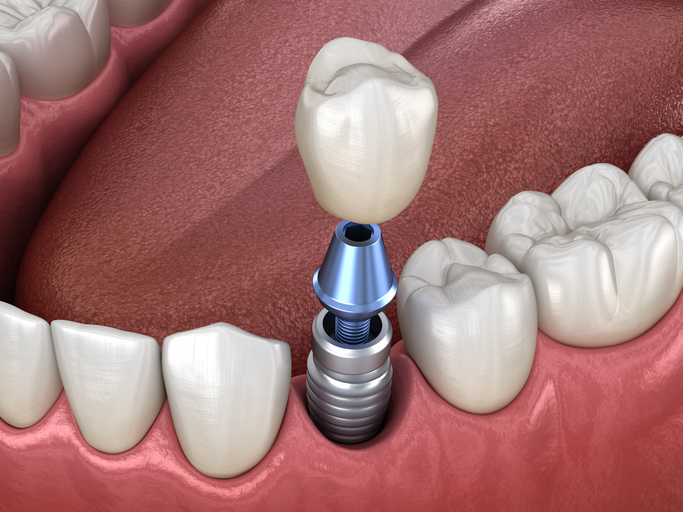
Dental implants are titanium posts that replace the root of a missing tooth and support a crown, bridge, or denture. For an implant to succeed, it must fuse with the jawbone through a process called osseointegration.
Because of this, timing is critical. There are three main approaches to placing a dental implant after a tooth extraction:
1. Immediate Implant Placement (Same Day)
Immediate implant placement means the implant is inserted right after the tooth is removed, during the same appointment.
Best for:
- Patients with strong, healthy jawbone
- No active infection or inflammation
- Good overall oral health
- Sufficient bone to stabilize the implant
Advantages:
- Reduces the number of surgical procedures
- Shortens total treatment time
- Preserves bone and gum tissue
- Offers faster aesthetic results, especially in visible areas
However, not every patient qualifies for immediate implants. If there is infection or insufficient bone, placing an implant right away could increase the risk of failure. A detailed evaluation by an experienced periodontist like Dr. David R. Scharf is essential to determine if this option is safe.
2. Early Implant Placement (1–3 Months After Extraction)
Early implant placement is one of the most commonly recommended timelines. After the tooth is extracted, the site is given time to heal for several weeks before the implant is placed.
Best for:
- Patients with minor infection that needs to resolve
- Those who require soft tissue healing
- Situations where immediate placement is not ideal
Advantages:
- Allows gums to heal properly
- Reduces inflammation and infection risk
- Provides a more stable environment for implant placement
- Maintains a relatively short treatment timeline
During this healing period, Dr. Scharf may use techniques to preserve bone and prevent shrinkage of the jaw. This approach often strikes a balance between safety and efficiency.
3. Delayed Implant Placement (3–6 Months or Longer)
Delayed implant placement involves waiting several months after extraction to allow for complete healing of the bone and surrounding tissues.
Best for:
- Significant bone loss
- Active infection or abscess at the extraction site
- Patients needing bone grafting or sinus lift procedures
- Complex or medically compromised cases
Advantages:
- Ensures full healing before implant placement
- Improves long-term implant stability
- Allows time for bone regeneration procedures
- Minimizes risk of complications
Although this approach takes longer, it is often the safest option for patients with more complex dental conditions.
Factors That Influence Implant Timing
Several factors determine how long you should wait after a tooth extraction before getting a dental implant. Understanding these can help you set realistic expectations.
Bone Density and Volume
Dental implants rely on a strong foundation. After a tooth is extracted, the jawbone can begin to shrink or resorb. If there is not enough bone to support the implant, a bone graft may be necessary, which can extend the timeline by several months.
Bone preservation techniques may be used at the time of extraction to help maintain volume and reduce the need for future grafting.
Infection or Gum Disease
If the extracted tooth was affected by infection, placing an implant immediately may not be safe. Dr. Scharf will want to ensure that all bacteria and inflammation are resolved before proceeding.
Treating gum disease or infection first helps create a healthier environment and improves implant success rates.
Overall Health and Lifestyle
Your general health plays a significant role in healing. Conditions such as diabetes, autoimmune disorders, or smoking can slow down recovery and may require a longer waiting period.
Patients who smoke, for example, often experience delayed healing and higher implant failure rates. In such cases, your provider may recommend additional healing time or lifestyle changes before proceeding.
Location of the Missing Tooth
The position of the missing tooth also affects timing. Teeth in the front of the mouth require careful planning to maintain aesthetics, while back teeth may allow for more flexibility.
In highly visible areas, preserving gum shape and contour is critical, which may influence whether immediate or early placement is recommended.
What Happens If You Wait Too Long?
While waiting is sometimes necessary, delaying dental implant placement for too long can lead to additional complications.
Over time, the jawbone can deteriorate in the area of the missing tooth. This can result in:
- Bone loss that requires grafting
- Shifting of surrounding teeth
- Changes in facial structure
- Increased treatment complexity
That’s why it’s important to consult with Dr. Scharf soon after a tooth extraction to plan your next steps.
Can You Speed Up the Process?
Many patients want to restore their smile as quickly as possible. While faster treatment is appealing, it should never come at the expense of long-term success.
Advanced techniques offered by experienced periodontists like Dr. Scharf can help streamline the process safely. These may include:
- Immediate implant placement when conditions allow
- Guided implant surgery for precision
- Socket preservation to maintain bone structure
- Minimally invasive procedures that promote faster healing
The key is choosing a treatment plan that balances efficiency with predictability.
Why Proper Timing Is Critical
Dental implants are designed to be a permanent solution. Proper timing ensures:
- Successful integration with the jawbone
- Reduced risk of implant failure
- Better aesthetic outcomes
- Long-lasting durability and function
Rushing into implant placement too soon or waiting too long without proper planning can both lead to complications. A personalized approach is essential.
What to Expect During Your Consultation
At Dr. David Scharf – Long Island Periodontics & Dental Implants, your journey begins with a comprehensive evaluation. This typically includes:
- Digital X-rays or 3D imaging
- Examination of bone density and gum health
- Review of your medical and dental history
- Discussion of your goals and concerns
Based on this information, Dr. Scharf will recommend the ideal timing and treatment plan for your dental implant. Every case is unique, and your care will be tailored to ensure the best possible outcome.
Choosing the Right Time for Your Dental Implant
So, how long should you wait to get a dental implant after a tooth extraction?
- Immediate: Same day, if conditions are ideal
- Early: 1 to 3 months, the most common approach
- Delayed: 3 to 6 months or longer, for complex cases
The right timeline depends on your individual needs, oral health, and treatment goals. Working with a highly experienced periodontist ensures your implant is placed at the optimal time for long-term success.
Schedule Your Consultation in Long Island, NY
If you’re considering dental implants after a tooth extraction, expert care makes all the difference.
Dr. David R. Scharf and his team provide advanced, patient-focused periodontal and implant treatments across Long Island, NY. With a focus on precision, comfort, and long-term results, you can feel confident in your care every step of the way.
Contact us today to schedule your personalized consultation and take the next step toward restoring your smile.