

If you’ve recently been told you may have gum disease (periodontal disease), you’re probably wondering: How long does periodontal therapy take? The answer depends on the severity of the disease, your overall health, and which treatment approach is best for your gums and bone.
At Dr. David R. Scharf’s periodontal practice in Long Island, NY, we guide patients through a clear, step-by-step plan: diagnosis, treatment, and maintenance. From your first evaluation to long-term gum health, here’s what a typical periodontal therapy timeline looks like.
Why Periodontal Therapy Has a “Timeline”
Periodontal disease is not a one-time problem you “fix” and forget. It’s a chronic inflammatory condition that can worsen over time without treatment and ongoing care. That’s why therapy is typically divided into:
- Diagnosis and planning
- Active treatment
- Maintenance (supportive periodontal care)
This structure allows us to stop infection, stabilize your gums and bone, and help you keep your teeth (and dental implants, if needed) healthy for years.
Phase 1: Diagnosis and Treatment Planning
Typical timeline: 1 appointment (about 60–90 minutes) + follow-up planning
Your periodontal therapy timeline starts with a comprehensive evaluation. This is where we determine whether gum disease is present, how advanced it is, and what approach will give you the best long-term outcome.
What happens during the diagnostic visit?
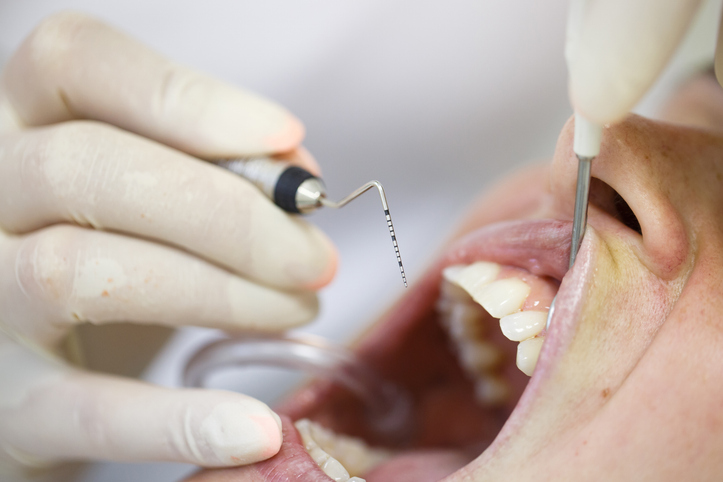
Expect a detailed periodontal exam that may include:
- Measuring gum pocket depths around each tooth
- Checking for gum bleeding and inflammation
- Assessing gum recession
- Evaluating bone levels (often with X-rays or imaging)
- Reviewing medical history and risk factors (smoking, diabetes, stress, medications)
At Dr. Scharf’s office, patients can also complete paperwork at home before coming in, so the appointment stays focused on your health and concerns.
How long does it take to get a treatment plan?
For many patients, a treatment plan is discussed the same day. Your plan may include non-surgical therapy, laser therapy, or surgical care depending on your diagnosis and severity.
Phase 2: Active Periodontal Treatment
Typical timeline: 2–12+ weeks (varies by disease severity and treatment type)
Once gum disease is confirmed, the next step is active treatment. Some people need only one type of therapy, while others need a staged approach.
Early-stage gum disease: professional deep cleaning
Timeline: Often completed within 1–2 visits
If your periodontal condition is mild, the solution may be a deeper professional cleaning focused below the gumline to remove plaque and tartar that brushing and flossing can’t reach.
Moderate gum disease: Scaling and Root Planing (SRP)
Timeline: Usually 2–4 visits across 1–4 weeks
Scaling and root planing (SRP) is a non-surgical treatment that removes bacterial deposits under the gumline and smooths root surfaces to help gums reattach more tightly. If infection is widespread, SRP is typically performed by sections of the mouth over multiple appointments.
What to expect afterward:
- Mild soreness or sensitivity for a few days
- Improved gum comfort as inflammation decreases
- Follow-up evaluation to measure healing and pocket reduction
Advanced gum disease: Laser periodontal therapy or surgery
Timeline: Often 4–12 weeks (or longer), depending on complexity
If periodontal pockets are deep and bone loss is significant, more advanced therapy may be needed. Dr. Scharf provides multiple options, including LANAP® laser gum treatment, which is designed to be less invasive than traditional surgical approaches.
Other advanced periodontal treatments can include:
- Pocket reduction procedures
- Bone grafting
- Soft tissue grafting
- Flap surgery for deeper access and infection control
Healing expectations vary, but many patients begin to feel improvement quickly as infection is reduced and inflammation resolves.
Phase 3: Re-Evaluation (Healing Checkpoint)
Typical timeline: 4–8 weeks after active treatment
After periodontal therapy, we schedule a re-evaluation visit. This is one of the most important points in your timeline because it tells us whether:
- Gum pockets have reduced
- Bleeding has improved
- The infection is controlled
- Further treatment is needed
- Your maintenance schedule should be adjusted
This is also when long-term planning happens, including dental implant discussions (when needed). Dr. Scharf provides both periodontal therapy and dental implant care in Long Island, NY.
Phase 4: Periodontal Maintenance
Typical timeline: Every 3–4 months (ongoing)
Here’s the part many patients don’t realize: periodontal maintenance is not optional if you want to keep your gums stable.
Even after gum disease is treated, the bacteria that caused it can return quickly, especially if you’ve had deeper pockets before. Standard 6-month cleanings may not be enough for someone with a history of periodontitis, which is why maintenance is typically scheduled every 3–4 months.
What happens at periodontal maintenance visits?
These visits typically include:
- Measuring pocket depths and checking gum inflammation
- Removing plaque and tartar above and below the gumline
- Reinforcing home-care techniques
- Monitoring for early signs of relapse
Maintenance is what protects the results of your therapy and helps prevent tooth loss or additional bone damage.
What Can Change Your Periodontal Therapy Timeline?
No two patients have the exact same schedule. Your timeline may be longer or shorter depending on:
- How advanced the disease is at diagnosis
- Your home-care habits
- Smoking or vaping history
- Diabetes or immune health
- Genetics and inflammatory response
- Whether you need grafting, surgery, or implant planning
The earlier you begin treatment, the more likely you are to have a simpler, faster path to healthy gums. Periodontal disease can worsen when treatment is delayed and may contribute to tooth loss and systemic health concerns.
A Sample Periodontal Therapy Timeline (General Example)
- Week 1: Comprehensive exam + diagnosis
- Weeks 2–4: Active treatment (SRP, laser therapy, or surgical phase begins)
- Weeks 6–10: Re-evaluation and progress check
- Ongoing: Periodontal maintenance every 3–4 months
When Should You See a Periodontist?
If you’re experiencing any of these symptoms, it’s worth scheduling a periodontal evaluation:
- Gums that bleed when brushing or flossing
- Persistent bad breath
- Gum recession or “longer-looking” teeth
- Loose teeth or shifting bite
- Swollen or tender gums
- A history of gum disease in your family
Dr. Scharf provides periodontal care in Long Island, NY and develops personalized treatment plans based on your specific needs.
Schedule a Periodontal Evaluation in Long Island, NY
Periodontal therapy is a process, but it’s a manageable one when you have a clear plan and consistent follow-up. Whether you need early-stage gum disease treatment, advanced laser periodontal therapy, or long-term maintenance, the goal is the same: a stable, healthy foundation for your smile.
To request an appointment with Dr. David R. Scharf, contact our Long Island periodontal office today.