

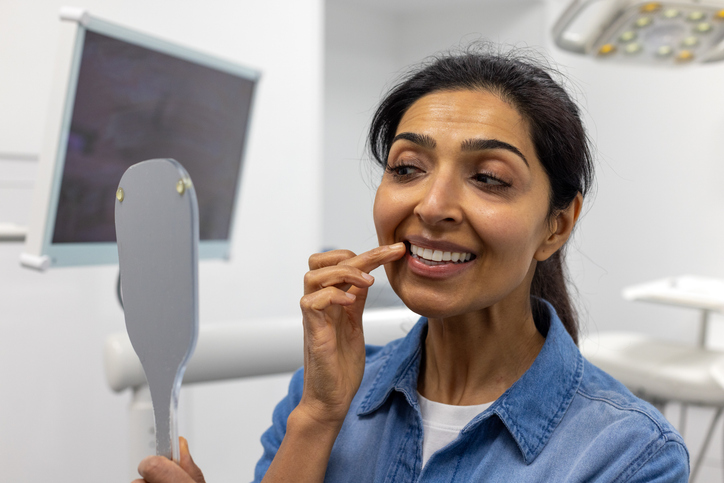
When you’re missing teeth, deciding on the best replacement option can feel overwhelming. The ideal treatment depends on several factors, including how many teeth are missing, their location, your oral health, and your long-term goals. Whether you’re missing a single tooth or multiple teeth, replacing them promptly is essential to protect your smile, preserve your jawbone, and maintain proper oral function.
At Dr. David Scharf – Long Island Periodontics & Dental Implants, we help patients throughout Long Island restore their smiles with advanced dental implant solutions and personalized treatment plans. Understanding the differences between replacing one missing tooth versus several missing teeth can help you make an informed decision about your oral health.
Why Replacing Missing Teeth Matters
Many people assume that losing a tooth is mainly a cosmetic issue. However, even a single missing tooth can have significant consequences for your oral health.
When a tooth is lost, the jawbone beneath it no longer receives stimulation from chewing. Over time, this can lead to bone loss in the affected area. Adjacent teeth may begin to shift into the empty space, causing bite misalignment and increasing the risk of gum disease, tooth decay, and further tooth loss.
Replacing missing teeth helps:
- Preserve jawbone density
- Maintain facial structure
- Prevent teeth from shifting
- Restore chewing efficiency
- Improve speech
- Enhance confidence and appearance
The right replacement plan depends largely on whether you’re missing one tooth or several.
Replacing a Single Missing Tooth
If you’re missing just one tooth, you have several treatment options available. The goal is to restore both function and aesthetics while preserving the surrounding healthy teeth.
Dental Implants for One Missing Tooth
A dental implant is often considered the gold standard for replacing a single missing tooth.
A dental implant consists of a titanium post that is surgically placed into the jawbone, acting as an artificial tooth root. After healing, a custom dental crown is attached to the implant, creating a natural-looking and fully functional replacement.
Benefits of a single dental implant include:
- Natural appearance
- Long-term durability
- Preservation of jawbone health
- No impact on neighboring teeth
- Improved chewing and speaking ability
Unlike traditional bridges, dental implants do not require modification of adjacent healthy teeth.
Dental Bridges
A dental bridge may be another option for replacing a single missing tooth. This restoration uses crowns placed on neighboring teeth to support a replacement tooth in between.
While bridges can provide effective results, they do not prevent bone loss in the area of the missing tooth and require preparation of adjacent teeth.
For many patients, dental implants offer a more conservative and longer-lasting solution.
Replacing Several Missing Teeth
When multiple teeth are missing, treatment planning becomes more complex. The location of the missing teeth and the condition of the remaining teeth and jawbone play important roles in determining the best solution.
Multiple Dental Implants
If several teeth are missing in different areas of the mouth, individual dental implants may be recommended.
Multiple implants can:
- Restore full chewing function
- Maintain bone volume
- Provide exceptional stability
- Create a natural appearance
Each implant functions independently, closely mimicking natural teeth.
Implant-Supported Bridges
For patients missing several adjacent teeth, an implant-supported bridge may offer an efficient solution.
Rather than placing an implant for every missing tooth, strategically placed implants support a bridge that replaces multiple teeth.
Advantages include:
- Fewer implants required
- Strong and stable restoration
- Preservation of jawbone health
- Reduced treatment complexity
Implant-supported bridges often provide excellent long-term outcomes while minimizing surgical procedures.
Full-Arch Dental Implant Solutions
Patients who have lost most or all of their teeth may benefit from full-arch implant restorations.
Procedures such as All-on-4® or other full-mouth dental implant solutions use a small number of implants to support an entire arch of replacement teeth.
Benefits include:
- Secure fit without adhesives
- Improved comfort and function
- Natural appearance
- Enhanced confidence
- Long-term bone preservation
For patients currently wearing removable dentures, implant-supported options can significantly improve quality of life.
Factors That Influence Your Treatment Plan
Choosing the right tooth replacement solution involves more than simply counting missing teeth. Several factors must be evaluated during your consultation.
Jawbone Health
Adequate bone volume is necessary to support dental implants. If bone loss has occurred, bone grafting procedures may be recommended before implant placement.
Location of Missing Teeth
Front teeth often require special attention to aesthetics, while back teeth must withstand greater chewing forces. Treatment recommendations may vary based on tooth position.
Overall Oral Health
Healthy gums and proper periodontal care are essential for successful implant treatment. As a board-certified periodontist, Dr. Scharf carefully evaluates gum health and supporting structures before recommending treatment.
Budget and Long-Term Goals
While dental implants typically involve a higher initial investment, they often provide superior longevity and value compared to alternative solutions.
Why Dental Implants Are Often the Preferred Solution
Whether replacing one tooth or several, dental implants have become the preferred option for many patients because they address both functional and biological concerns.
Dental implants:
- Look and feel like natural teeth
- Help prevent bone loss
- Provide exceptional stability
- Can last for decades with proper care
- Support long-term oral health
Because implants integrate directly with the jawbone, they offer benefits that traditional bridges and removable dentures cannot fully replicate.
Schedule a Consultation with Dr. Scharf
If you’re missing one tooth or multiple teeth, the best replacement plan is one that’s customized to your unique needs. Dr. David R. Scharf combines advanced periodontal expertise with state-of-the-art dental implant technology to help patients throughout Long Island achieve lasting, healthy smiles.
At Dr. David Scharf – Long Island Periodontics & Dental Implants, we are committed to providing personalized treatment solutions that restore confidence, function, and oral health.
Contact us today to schedule a consultation and learn which tooth replacement option is right for you.